


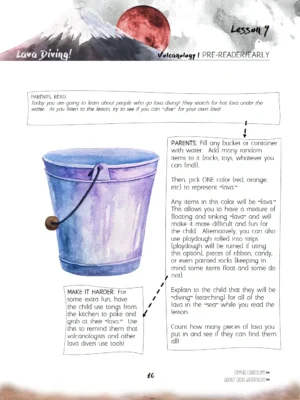
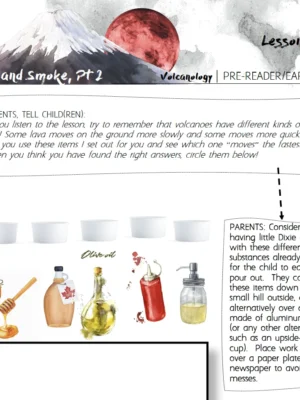


12 Lessons | 4 weeks | All Ages (K–12) | Multi-Subject | No Teacher’s Manual Required
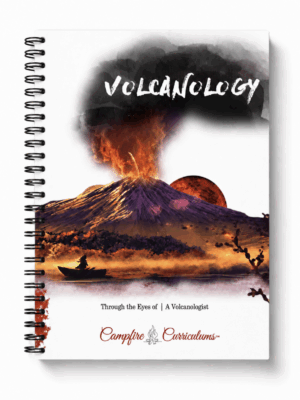
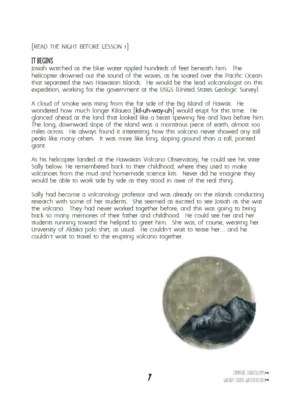
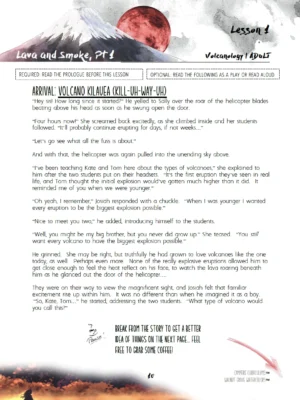
Get ready to step into the boots of a real volcanologist, analyzing seismic data, studying eruption patterns, and virtually exploring volcanoes around the world. Guided by a veteran in the field, this unit turns science and geology into something tangible and thrilling. Learn to observe, question, and understand the forces that shape our planet. This unit has become a go-to favorite for a reason.
But here’s what we love most: this unit speaks to a wide range of learners. Whether your student is science-minded, loves to create, prefers being outdoors, or is simply a deep feeler, there’s something here for them. It even includes lessons on emotional awareness (like how to handle anger), faith connections, and opportunities to build family discussions that matter.
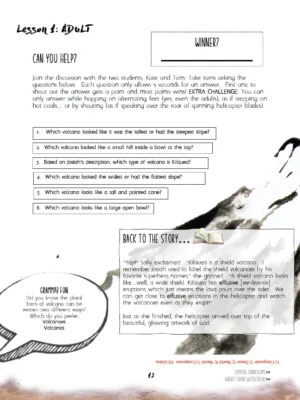
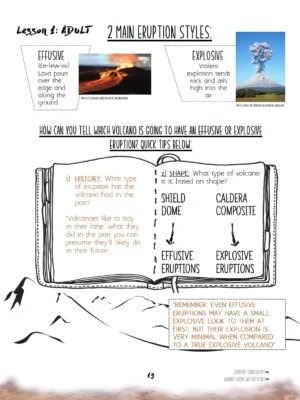
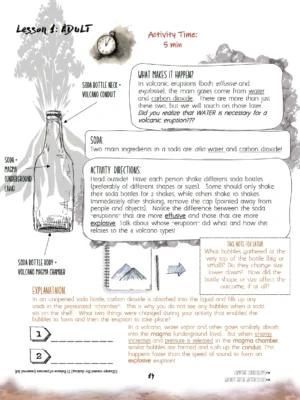
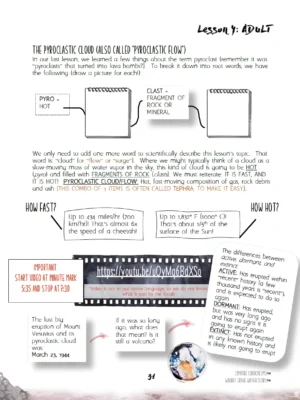
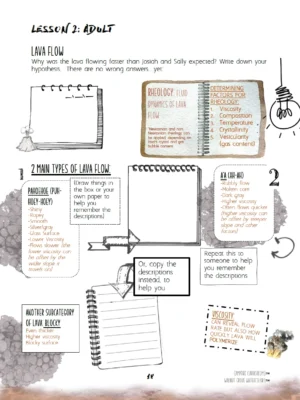
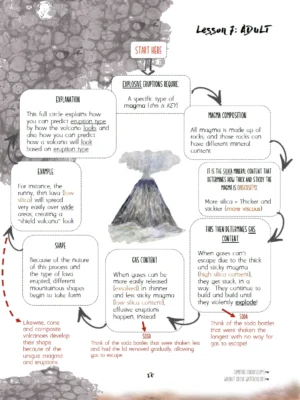
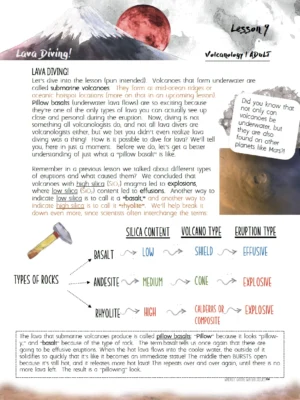
This unit provides a comprehensive study of Earth’s geologic activity with a focus on volcanoes, tectonic plate theory, and seismic phenomena. Students examine magma types, eruption classifications, volcanic rock formation, and gas emissions. Concepts such as the Ring of Fire, mantle dynamics, pyroclastic flows, and volcanic hotspots are explored in-depth. Lessons also include real-world scientific methods used by volcanologists, such as seismograph interpretation and risk zone mapping.
A note about this unit:
Some Campfire units—like this one—were originally designed as focused single subjects or electives.
We’ve since included a complimentary, adjustable mini version of our Core Connections. This allows the unit to function across subjects without sacrificing its original purpose.
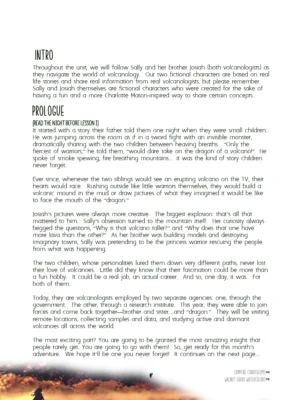
It began as a profession-immersive study, written after real-world job shadowing of a volcanologist. Because its original design was elective-style, it looks different from our core units—by design.
High school families may document this unit as shown on the course coverage/transcript/credit tabs above.
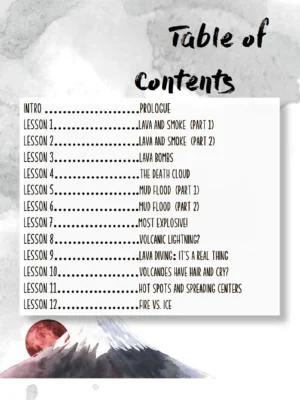
This is a Full Unit, designed for the whole family to use together, whether you have one student or many. It includes 12 flexible lessons, typically stretched over 4–6 weeks (depending on your pace).
Most families complete 6–8 units per year. Think of one unit like a single “chapter” in a year-long curriculum.
Every unit is delivered as a PDF digital download, so you can start instantly. Prefer a printed book? You can get that, too! Want to understand all your print options? Flip to the “Print or Digital” page in our BROCHURE for a full breakdown of how to access print copies.
There are digital guidebooks:
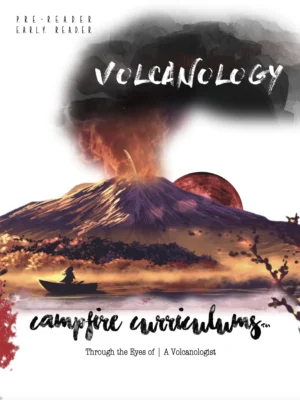
- Early Learner Guidebook (pre-reader to 1st grade) – Designed to keep little hands busy and minds engaged while older students go deeper.
- Growing Guidebook (elementary through middle school)
- Advanced Guidebook (high school to adult)
The Growing and Advanced Guidebooks share the same main lesson content. The difference is in the sidebars—color-coded and tailored by age. Think of it like reading the same Bible translation, but one has deep apologetics notes and the other has gentle prompts and kid-friendly commentary. Same core text, just age-adjusted insight.
This is intentionally designed to mimic higher-level education and real-world learning. You won’t find a separate teacher’s manual or student workbook because we don’t believe in busywork. Instead, each guidebook is written directly to the student (and the parent learning alongside) with real instruction, interactive prompts, and a flow that mirrors real-life, higher-level learning.
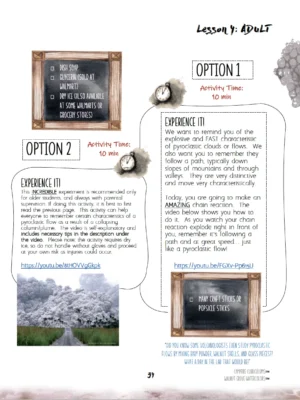
You’ll see natural cues like “Do this now,” “Write this in your notebook,” and “Pause to discuss,” built right into the lesson. Students learn through notebooking, narration, dictation, and hands-on exploration—no pre-planning required. It might feel different at first. That’s because it is… and it’s intentional.
This unit includes a Core Connections Companion. However, it’s from our earlier format, back when this unit was originally created for enrichment learning only. That means it still covers all your core subjects—just in a lighter, more flexible way. It’s perfect for those months when you want to stay on track but want a lighter load.
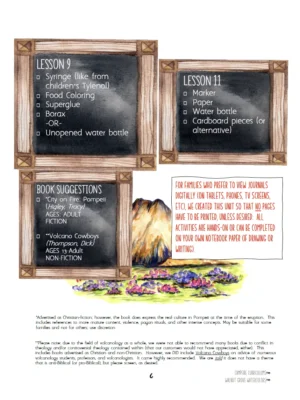
Each unit includes access to our private LINKS page with videos, supply lists, book lists, and bonus resources—everything pre-screened and organized for easy use. Some units also have optional MP3 add-ons for auditory learners.





Natalie Duhon (verified owner) –
This unit was super interesting and the hands on activities were so much fun!